

Sustainable Materials in Educational Content Production

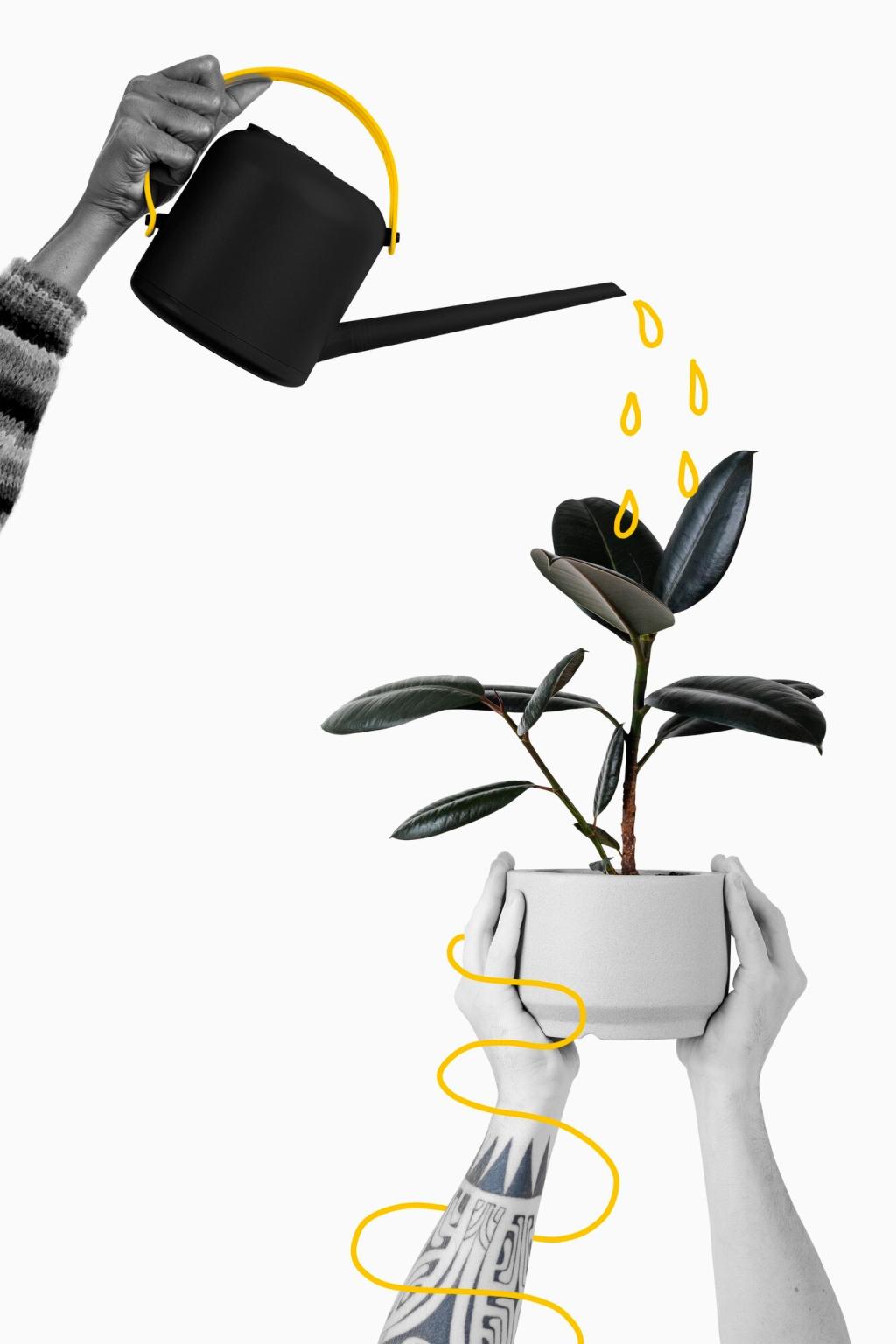
Today’s chosen theme: Sustainable Materials in Educational Content Production. Together we’ll explore smarter material choices, practical workflows, and inspiring stories that make learning resources safer, greener, and more inspiring—without sacrificing clarity, creativity, or cost awareness. Share your thoughts and subscribe to keep the conversation growing.

Environmental Impact Becomes a Teachable Moment
Every worksheet, lab kit, and poster tells a story about resource use. Choosing recycled, certified, or reusable materials reduces footprint while showing students how everyday decisions matter. Ask classes to track what gets reused, and invite them to suggest improvements. Their questions often spark your most meaningful changes.
Health, Safety, and Peace of Mind
Low-toxicity inks, chlorine-free paper, and VOC-safe adhesives create healthier learning environments. Many educators report fewer headaches and improved air quality after switching to safer supplies. If you’ve noticed similar differences, comment with your observations and help others weigh the benefits of better material choices in real classrooms.
Values, Branding, and Community Trust
When districts publish sustainability guidelines and follow them, families and partners notice. Clear standards for materials and vendors reinforce trust and align with institutional mission. Share your policy wins or roadblocks below, and subscribe for templates that translate sustainability goals into everyday purchasing decisions educators can actually implement.

Designing for Reuse, Repair, and Modularity

Design posters, cards, and manipulatives in common sizes so components swap easily and storage is simple. One department standardized to A4 and quarter-cards, halving print waste while making sets intercompatible. Ask students to prototype interchangeable labels and dividers, then reflect on how thoughtful dimensions reduce both clutter and material consumption.

Designing for Reuse, Repair, and Modularity

Use sturdy bases—like recycled board or aluminum—for items handled daily, then attach replaceable, recyclable overlays for changing content. A science team kept the same circuit boards for years by swapping printed overlays. Share your best long-lived item, and we’ll collect ideas into a community toolkit everyone can access.

Smart Printing and the Digital Balance

Small-batch or on-demand printing prevents pallets of outdated booklets. A district saved storage space and reduced obsolescence by releasing quarterly updates digitally while printing durable core references yearly. Share your best print thresholds and how you handle last-minute changes so others can right-size their runs confidently and sustainably.

Smart Printing and the Digital Balance

Thicker recycled stock, coil binding for lay-flat notes, and writable margins turn handouts into long-term study tools. One student kept a course field guide for internships because it felt professional and useful. What features make learners keep materials longer? Post your favorites and help colleagues design to be kept, not tossed.

Favor credible labels like FSC, Blue Angel, Cradle to Cradle, EPEAT, or ISO 14001, and ask for traceability. Be cautious of vague ‘eco-friendly’ claims. Invite vendors to provide end-of-life options. Share one certification your team trusts most, and why, so others can streamline due diligence without losing rigor or time.
Shorter supply chains can lower transport emissions and reduce delays. A college print shop partnered with a nearby mill for recycled paper, cutting lead times and engaging students in tours. If you’ve forged a local partnership, describe the benefits and pitfalls, helping peers replicate success within their regional constraints and budgets.
Simple scorecards—materials, energy, packaging, take-back—make comparisons straightforward. One district’s public dashboard boosted accountability and improved bids. Ask suppliers to share improvement roadmaps, then celebrate progress publicly. Comment if you’d like our editable scorecard template, and subscribe for updates as we refine metrics with educator feedback and real procurement scenarios.

Culture Change in the Classroom and Campus

Student-Led Material Audits

Invite classes to count, categorize, and critique materials across a week. A middle school discovered three overlapping handout sets and redesigned one versatile binder. Students loved presenting their findings to administrators. Post your audit insights, and inspire others to let learners lead meaningful, data-powered sustainability improvements everyone can get behind.

Maker Projects with Reclaimed Inputs

Turn scrap boards, offcut paper, and retired banners into learning kits or exhibits. One art teacher’s ‘material stories’ unit asked students to track each component’s origin and afterlife. The narratives were unforgettable. What reclaimed resource surprised you most? Share photos or notes, and help grow a gallery of practical inspiration.

Celebrate Milestones, Not Perfection

Announce reductions, reuse rates, and the people who made them happen. A campus celebrated retiring a laminator and replacing it with shareable sleeves, saving money and fumes. Invite students to design posters about the change. Comment with a milestone you’re proud of, and subscribe to join our monthly recognition roundup.
Delirovalexono
Privacy Overview

This website uses cookies so that we can provide you with the best user experience possible. Cookie information is stored in your browser and performs functions such as recognising you when you return to our website and helping our team to understand which sections of the website you find most interesting and useful.